China’s healthcare anti-corruption campaign, which gained national momentum in 2023, is entering a new phase as regulators shift from enforcement-focused actions toward a more comprehensive compliance framework for the pharmaceutical and medical device sectors.
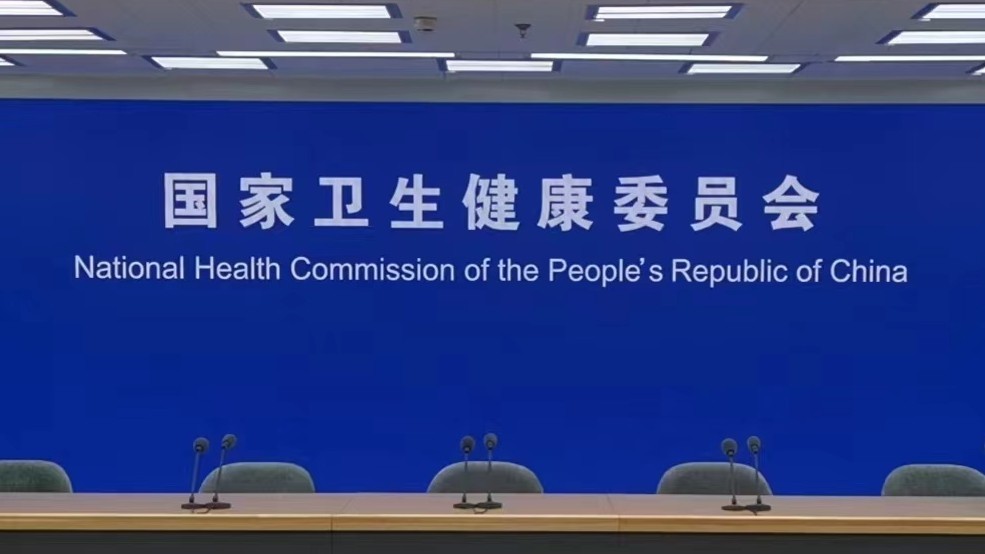
In 2025, the National Health Commission (NHC), together with multiple central government agencies, released the 2025 Key Tasks for Rectifying Misconduct in Pharmaceutical Procurement and Medical Services, while the State Administration for Market Regulation (SAMR) issued the Compliance Guidance for Healthcare Companies on Preventing Commercial Bribery Risks. The two documents mark a new phase in China’s healthcare anti-corruption campaign, shifting the focus from campaign-style enforcement toward a more institutionalised compliance framework for the healthcare industry.
Enforcement priorities
A central theme running through both documents is the continued focus on commercial bribery and so-called “cash-for-sales” practices (带金销售), where business opportunities are obtained through improper benefits rather than legitimate market competition.
According to the SAMR guidance, healthcare companies must not provide, directly or indirectly, financial benefits or other improper advantages to healthcare professionals in exchange for prescribing, recommending, purchasing, or using pharmaceutical products or medical devices.
The guidance identifies a number of high-risk business scenarios, including academic exchanges, business hospitality, consultancy arrangements, outsourcing services, discounts and commissions, donations and sponsorships, free deployment of medical devices, clinical studies, and retail sales activities.
The NHC’s 2025 work plan indicates that pharmaceutical procurement and healthcare services remain key areas of regulatory attention.
The document calls for stronger supervision of pharmaceutical purchasing, medical equipment procurement, public tendering processes, tax compliance, and irregular commercial practices. Authorities also highlighted misconduct involving third parties and warned against the use of scientific research projects, academic activities, and professional cooperation arrangements as channels for improper benefit transfers.
Beyond enforcement, the SAMR guidance places significant emphasis on preventive compliance measures.
The document encourages pharmaceutical and medical device companies to establish internal systems capable of identifying, assessing, and managing commercial bribery risks. Recommended measures include employee training, internal reporting mechanisms, risk monitoring systems, and enhanced oversight of interactions with healthcare professionals and third-party business partners.
The guidance further indicates that compliance obligations should extend across marketing activities, research collaborations, procurement interactions, distribution arrangements, and engagements with external service providers.
Regulatory outlook
Taken together, the two 2025 policy documents suggest that China’s healthcare anti-corruption campaign is evolving beyond a series of enforcement actions into a more structured regulatory regime.
While commercial bribery remains principally governed by the Anti-Unfair Competition Law, the new guidance and rectification measures provide a clearer framework for identifying high-risk conduct and defining regulatory expectations for pharmaceutical and medical device companies.
For healthcare companies operating in China, the latest measures signal an increasing focus on embedding anti-bribery controls into routine business operations, procurement activities, academic exchanges, and commercial decision-making processes.
Disclaimer: This article is for informational purposes only and does not constitute legal or compliance advice.


Leave a Reply